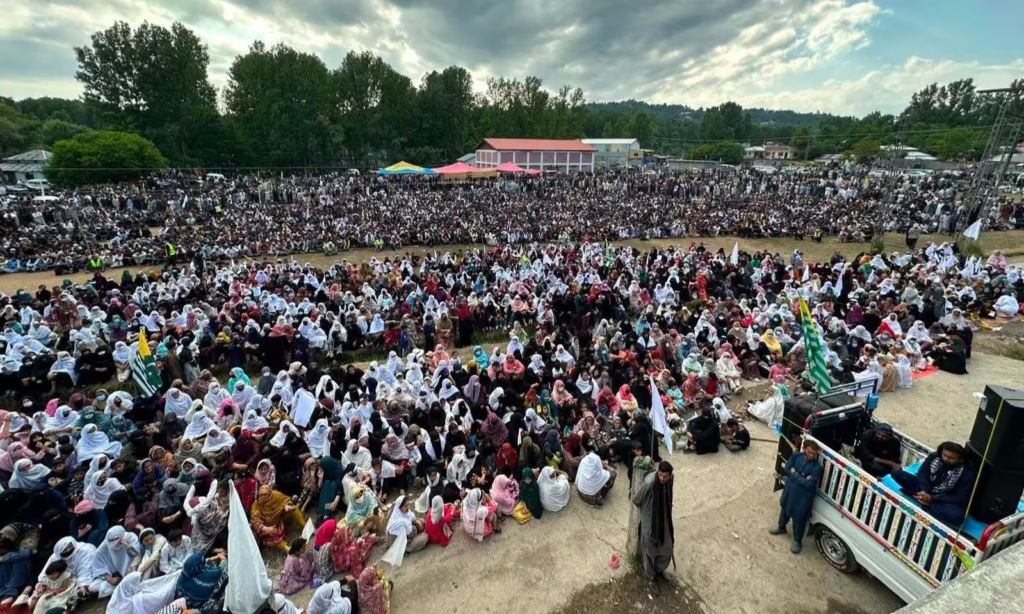
MUZAFFARABAD: A shutter-down and wheel-jam strike called by the Joint Awami Action Committee brought large parts of Azad Jammu and Kashmir to a halt, as sit-ins continued near Rawalakot and other areas amid heightened security, road blockades and communication disruptions.
Markets remained closed in Muzaffarabad, Rawalakot, Mirpur and several other towns, while public transport was largely suspended. Streets that are normally crowded with traders, commuters and daily-wage workers wore a deserted look as residents stayed indoors due to fear of further clashes.
The protest movement intensified after the AJK government proscribed the Joint Awami Action Committee under the region’s anti-terrorism law. Authorities accused the group of disturbing public order and threatening peace, while JAAC leaders and supporters rejected the allegations, saying their campaign was peaceful and aimed at securing political and economic rights for the people of AJK.
The committee’s latest agitation centers on its demand for the abolition of 12 seats reserved for Kashmiri refugees in the AJK Legislative Assembly elections. JAAC argues that the seats give political influence to people who do not reside in the territory. The government, however, says the matter is constitutionally protected and cannot be changed through executive action alone.
The situation worsened after deadly clashes between protesters and security forces in Rawalakot. Officials said several security personnel were killed and injured, while protesters also suffered casualties. Following the violence, the government launched a crackdown, detained hundreds of people and registered cases against leading JAAC figures.
Internet restrictions and road closures added to public hardship. Students, freelancers, traders and daily-wage labourers were among the worst affected, with many residents saying they had been unable to work or access basic services. Fuel shortages and limited transport also disrupted movement between towns.
Despite the crackdown, JAAC supporters continued their sit-ins on the outskirts of Rawalakot, demanding the release of arrested activists, restoration of communication services and negotiations on their charter of demands. Former political leaders and civil society figures urged both sides to avoid confrontation and resolve the crisis through dialogue.
The AJK government maintained that it was willing to hold talks but would not allow violence, road blockades or attacks on public property. Officials said security forces had been deployed to protect citizens and restore normal life.
The ongoing unrest has once again highlighted public frustration in AJK over governance, representation, rising costs and official privileges. Unless both sides move toward meaningful negotiations, observers fear the shutter-down, strike and sit-ins may further deepen the political and economic crisis in the region.
You may also like
-
Shaukat Nawaz Mir Yet to Be Produced Before Court, Family Denied Access Since Arrest, JKJAAC Says
-
PML-N Leads PaJK Elections Amid Boycott, Rigging Allegations, Violence and Major Political Upsets
-
Muzaffarabad Shuts Down as Clashes and Roadblocks Disrupt Election-Day Movement
-
Civilian Death Toll in PaJK Protests Rises Above 87 as Two More Killed
-
At Least 37 Civilians Killed by Pakistani Security Forces in PaJK in Two Days